
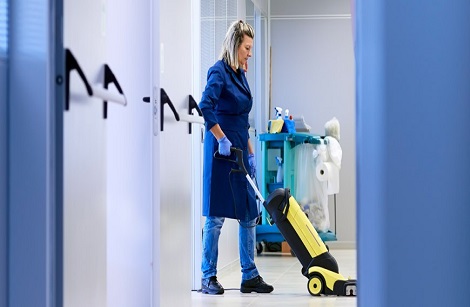
When performing cleaning work, it is important to know the disinfectants, detergents, equipment and cloths being used.
Is there a difference between antibacterial products for kitchens and bathrooms?
Yes, there is a difference between the two. Antibacterial bathroom spray contains more detergent and is designed to target soap residue and limescale. Antibacterial kitchen cleaner is designed to penetrate grease and dirt. However, both products are effective and kill 99.9% of household microbes on non-porous and hard surfaces. They can be used anywhere at home.
Can we disinfect without bleach?
Yes. The original article notes that hospitals moved away from this corrosive product, which it states can promote bacterial resistance. It also presents natural disinfectants and steam cleaning as alternatives.
Are all cleaning cloths alike?
No, microfibers, made with fibres 50 times finer than cotton, have a great capacity for water and dirt absorption. They can effectively clean all surfaces using less water and less detergent. The original article recommends an H20 honeycomb fibre made of 50% polyester and 50% polyamide.
Do green products cost more?
The original article states that organic cleaning products can cost less to purchase, can be used in smaller quantities and may therefore produce additional savings.
Can an antibacterial product claim to kill 100% of bacteria and germs?
The original article states that there is no way to scientifically demonstrate the elimination of 100% of microbes and refers to EPA limits on germ-kill claims.
What is the difference between sanitizing and disinfecting?
Disinfection kills more germs than sanitizing. The original article notes that the EPA developed different test methods for each process to measure a product’s effectiveness against microorganisms.